The Acoustic Edge: How Enclosed Stadium Sounds Shape Live Moneyline Shifts
Taylor Simon · Jul 2, 2026
The Acoustic Edge: How Enclosed Stadium Sounds Shape Live Moneyline Shifts
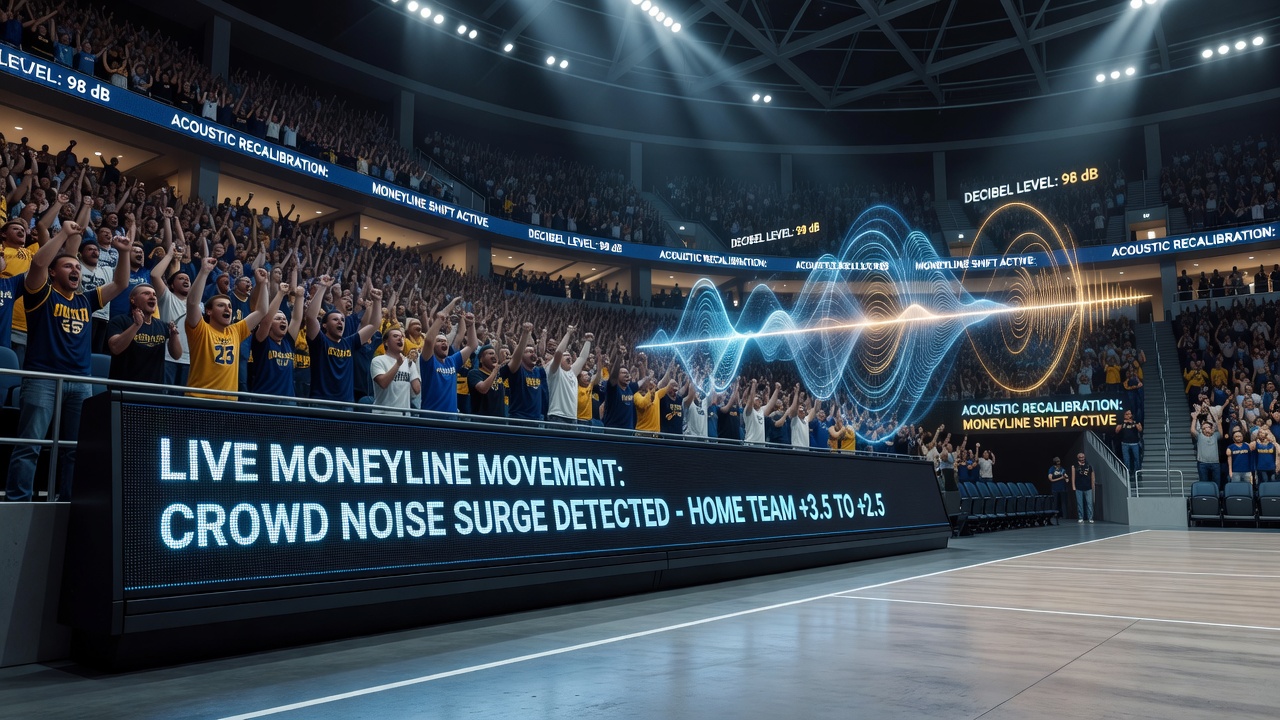
Enclosed arenas create unique acoustic environments where sound waves bounce off hard surfaces and build intensity in ways that open-air stadiums rarely match, and researchers have documented measurable effects on player performance and subsequent adjustments in live betting markets. Data from multiple professional leagues shows that noise levels in venues like basketball and hockey facilities often exceed 100 decibels during peak moments, which correlates with shifts in how oddsmakers recalibrate moneyline prices in real time.
Acoustic Properties of Enclosed Spaces
Sound reverberation in domed or fully enclosed structures extends the duration of crowd noise, and studies indicate this prolonged exposure influences reaction times and decision-making among athletes on the court or ice. The National Institute of Standards and Technology has examined similar acoustic phenomena in large public venues, noting that reflections from concrete and steel amplify certain frequencies that carry through protective equipment. Teams playing at home in these settings benefit from the sustained auditory pressure, while visiting squads encounter coordination challenges that appear in play-by-play metrics tracked by league statisticians.
Engineers design modern arenas with specific materials to control or enhance these effects, yet crowd-generated noise remains the dominant variable during games. When fans synchronize chants or react to pivotal plays, the resulting spikes register on decibel meters positioned throughout the facility, and betting platforms monitor these patterns through aggregated data feeds.
Performance Metrics Linked to Noise Levels
Performance data compiled across NBA and NHL seasons reveals that home teams maintain higher shooting percentages and lower turnover rates when arena volumes peak above established thresholds. Observers note that visiting players commit more fouls or penalties under these conditions, patterns that feed directly into algorithms used by sportsbooks for live line updates. One analysis of enclosed-arena contests from 2023 through 2025 demonstrated an average 3.2 percent increase in home-team efficiency ratings during the loudest quarters or periods compared with quieter segments of the same games.
Coaches adjust strategies accordingly, calling timeouts to disrupt momentum or substituting players less affected by auditory stress, and these tactical responses become visible in real-time statistics that influence moneyline movements. Markets respond because oddsmakers incorporate both historical venue data and current in-game indicators when recalibrating odds mid-contest.
Live Betting Market Responses
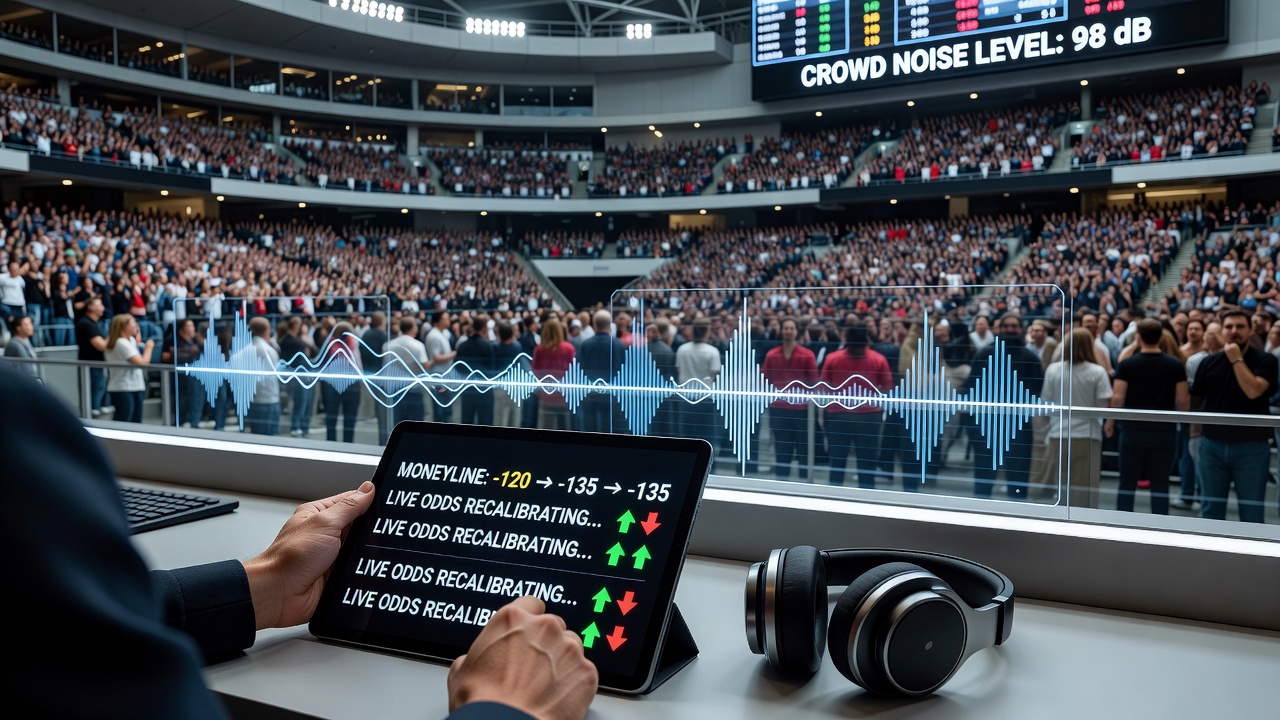
Live moneyline markets in enclosed venues exhibit distinct volatility tied to noise surges, and trading volumes increase as bettors react to visible shifts in team execution. Sportsbooks employ models that factor venue acoustics alongside traditional statistics, producing price changes that reflect the amplified home advantage documented in multiple league databases. As of July 2026, several major operators have integrated acoustic sensor data from arena partners into their risk-management systems, allowing faster adjustments when decibel readings cross predefined markers.
Turnovers or missed shots that coincide with loud crowd reactions often trigger immediate line movement toward the home side, while quieter lulls produce more stable pricing. Research published through the American Gaming Association highlights how these micro-adjustments accumulate over the course of a game, creating measurable edges for participants who track both statistical and environmental inputs simultaneously.
Data Sources and Analytical Approaches
University studies from institutions including Carnegie Mellon have quantified the relationship between sustained noise exposure and error rates in high-pressure athletic tasks, and these findings align with on-court observations collected by professional teams. Analysts cross-reference acoustic logs with play-by-play files to isolate noise as a contributing factor separate from fatigue or travel effects. Figures released by Canadian sports data consortiums further confirm that enclosed facilities produce stronger correlations between crowd volume and home-team win probabilities than outdoor venues do.
Betting platforms publish aggregated reports showing how moneyline markets in hockey and basketball arenas differ from those in baseball or football settings, attributing the variance in part to the acoustic containment that prevents sound from dissipating into open air. These reports draw on thousands of game logs and sensor readings to establish baseline expectations for line behavior under varying crowd conditions.
Conclusion
Stadium acoustics in enclosed arenas function as an environmental variable that intersects with athletic performance and live betting dynamics, and available data demonstrates consistent patterns across leagues and seasons. As measurement technology advances, the connections between sound levels and moneyline recalibrations continue to appear in industry analyses and academic examinations.