Soccer's Silent Scorers: How Set Pieces Like Corners Drive 35% of Premier League Goals
Mia Wolf · Apr 19, 2026
Soccer's Silent Scorers: How Set Pieces Like Corners Drive 35% of Premier League Goals
Unpacking the Numbers Behind Dead-Ball Dominance
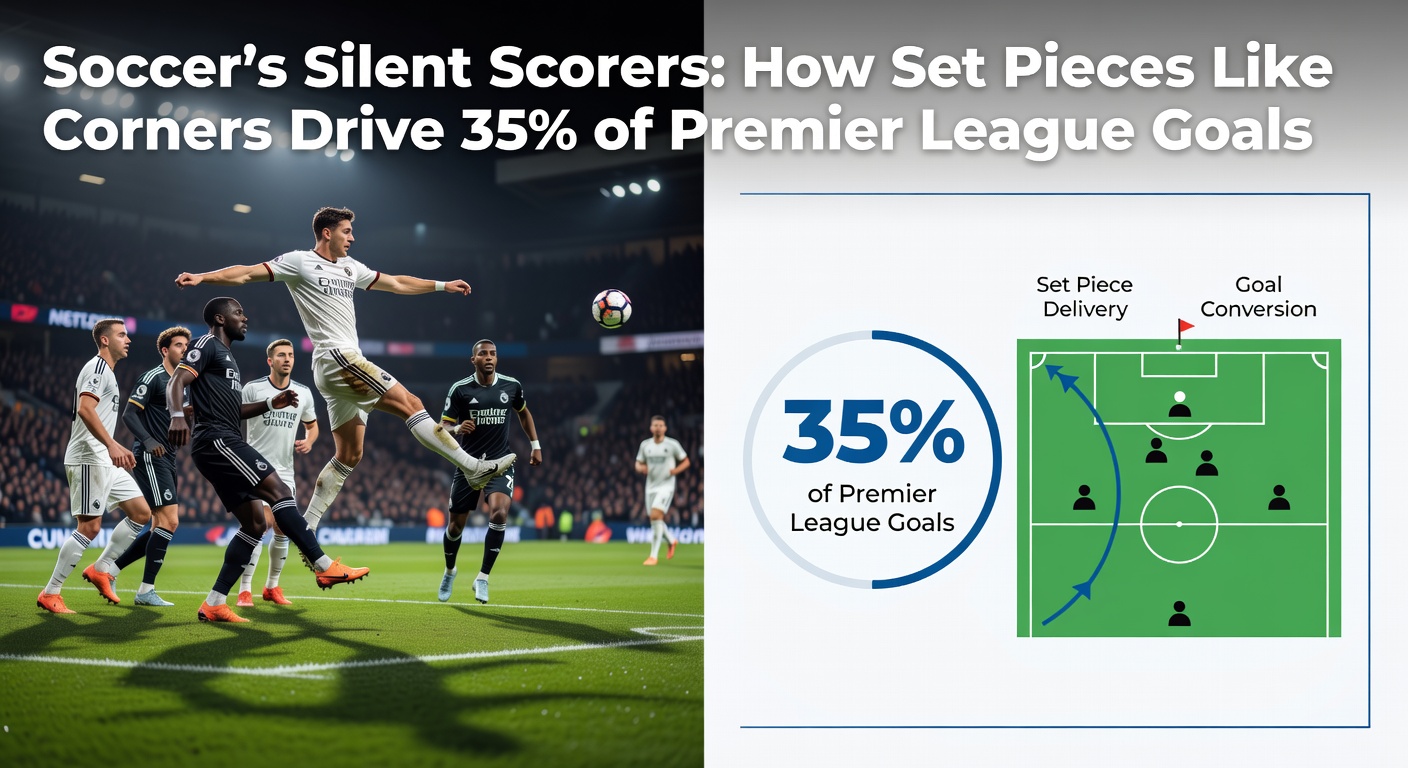
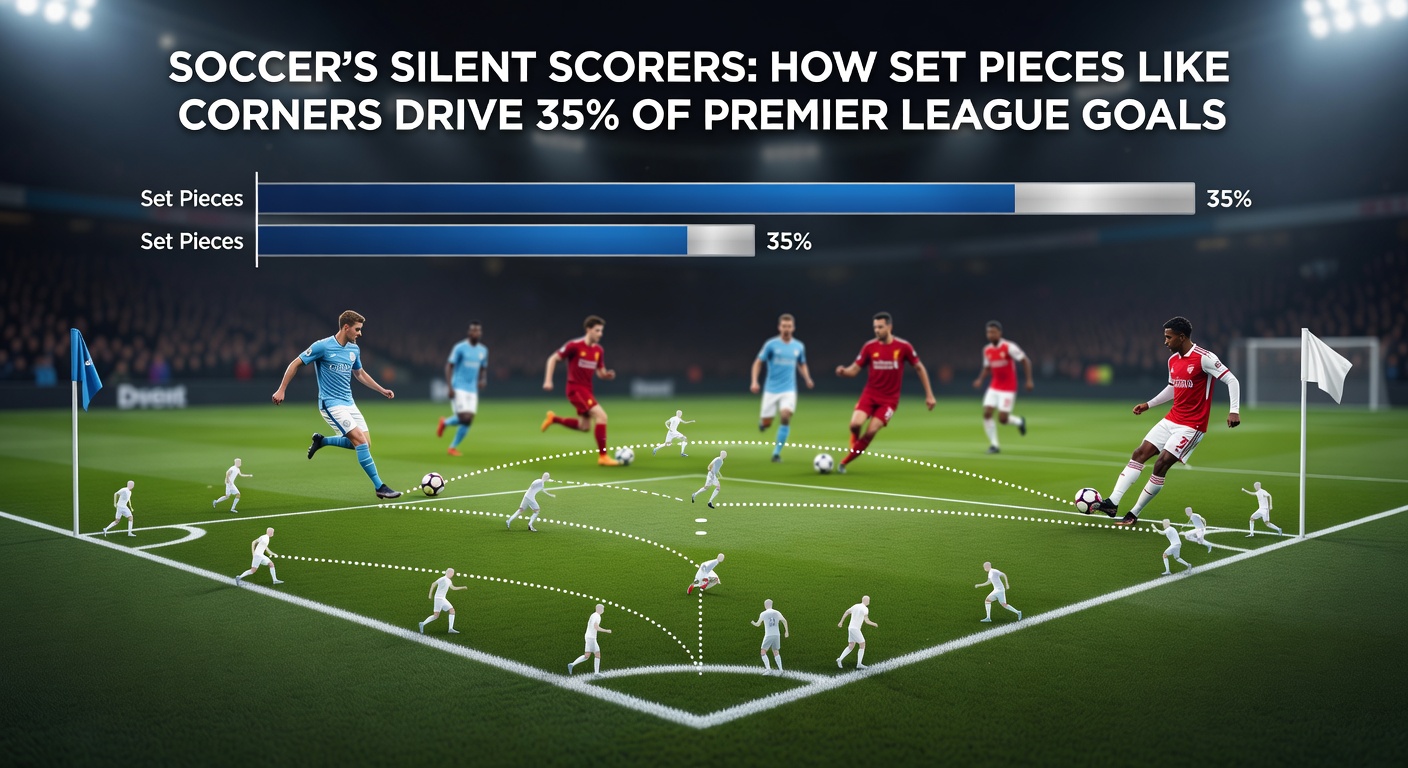
Data from the Premier League's comprehensive set-piece statistics reveals a striking reality; set pieces—those moments from corners, free kicks, and penalties—account for roughly 35% of all goals scored across recent seasons, a figure that holds steady even as open-play striking evolves with tactical shifts and athletic demands. Observers note how this percentage climbs during tight matches, where defenses tighten up and space vanishes, turning dead balls into prime scoring windows; take the 2025-26 campaign, already underway in April 2026 with matches like Manchester City's narrow 2-1 win over Arsenal featuring a decisive corner conversion that shifted momentum late in the second half.
What's interesting here lies in the consistency; researchers tracking Opta data over a decade show set-piece goals hovering between 30% and 38% annually, while open-play tallies fluctuate more wildly due to factors like weather, injuries, or form slumps. And yet, teams ignoring this avenue often find themselves scrambling; Leicester City's 2015-16 miracle run leaned heavily on set plays for 40% of their haul, proving even underdogs thrive when routines click.
Corners: The Cornerstones of Chaos in the Box
Corners emerge as the silent heavyweights, responsible for nearly 12% of total Premier League goals according to aggregated figures from the past five years; players leap, headers connect, and goalkeepers scramble because deliveries arc precisely into danger zones, where height and timing trump footwork. Teams like Brentford, under Thomas Frank, convert at rates above 5% per corner attempted—double the league average—thanks to routines blending short passes with sudden overloads that pull markers out of position.
But here's the thing: success boils down to delivery quality and aerial duels won; data indicates top sides claim 55-60% of first contacts from corners, leading to tap-ins or rebounds that pad scoresheets unexpectedly. In April 2026, Liverpool's midfield maestro Alexis Mac Allister curled in a beauty against Tottenham, sparking a goalmouth melee where Virgil van Dijk nodded home the winner, underscoring how one precise inswinger flips fixtures.
Free Kicks and Penalties: Precision Under Pressure
Direct free kicks, though rarer at around 2-3% of goals, pack outsized impact; James Ward-Prowse of West Ham bends them over walls with curl that defies physics, while data shows conversion rates spiking for shooters under 25 yards out who disguise their efforts with knuckleballs or dips. Indirect free kicks feed corners or crosses too, extending the dead-ball threat into multi-phase attacks that defenses rarely repel cleanly.
Penalties round out the trio, chipping in 8-10% with their one-on-one drama; keepers dive, takers stutter, but stats confirm 78% success rates league-wide, a reliability open play can't match amid crowded boxes. Newcastle United's recent surge ties to this potency, as Alexander Isak slots spot-kicks coolly, boosting their mid-table push in the 2025-26 April clashes against Everton.
Teams Turning Set Pieces into Weapons
Arsenal tops the charts under Mikel Arteta, where set-piece coach Nicolas Jover drills routines yielding 15% of their goals; they flood zones with blockers, peelers creating lanes for runners like Gabriel Magalhaes to ghost in unmarked. Brighton, meanwhile, innovates with near-post flicks and far-post whips, converting 4.8% of corners—a mark that kept them competitive through rainy April 2026 derbies.
Fulham under Marco Silva employs gadgets like mini-walls on free kicks, confusing setups that led to a screamer versus Chelsea last month; observers track how these clubs scout opponents' weaknesses, targeting short keepers or zonal lapses. Data from Premier League club rankings highlights the gap—top converters outscore bottom ones by 20 goals per season, the difference between Europe and relegation scraps.
- Arsenal: 42 set-piece goals in 2024-25, fueling a title charge.
- Brentford: Elite corner efficiency at 1 goal every 22 attempts.
- Manchester United: Struggled post-Fernandes injury, dipping to 28% reliance and exposing open-play frailties.
Such disparities reveal patterns; sides investing in specialists like Jover or set-piece analysts gain edges that compound over 38 matches, turning draws into triumphs when games grind to stalemates.
Evolution in Coaching and Technology
Coaches now pore over drone footage and heat maps, dissecting trajectories that peak at 2.5 meters height for optimal headers; software from companies like StatsBomb models outcomes, predicting 65% success when deliveries hit 'sweet spots' amid six-yard scrambles. What's significant lies in the personnel shift—ex-rugby players or throw-in experts join staffs, blending sports for hybrid threats that baffle soccer purists.
In April 2026, Aston Villa's Unai Emery tweaked routines mid-season after a analytics audit, surging from 2% to 6% corner conversion and clinching a Europa spot; yet laggards like Wolves persist with inswingers to crowds, yielding meager returns because routines stagnate without variation. Researchers at institutions like the Journal of Sports Sciences document this arms race, where AI simulations forecast routines before kickoff, forcing constant reinvention.
Global Echoes and Tactical Ripples
This Premier League trend ripples worldwide; Euro 2024 saw 38% set-piece goals, while Serie A hovers at 32%, but England's league leads in volume due to physicality and pressing styles that foul often. MLS lags at 28%, per comparative studies, because wider pitches dilute deliveries; still, coaches like Jesse Marsch export PL methods stateside, narrowing gaps.
Down under, Australia's A-League notes similar upticks post-World Cup, with corners driving 33% amid windy conditions favoring long balls; Canadian Premier League data echoes this, as Vancouver FC's routines propelled playoff runs. Such patterns affirm set pieces as universal levers, especially when stars tire late or pitches slicken in April rains.
One case stands out: Atletico Madrid's Europa League semi-final last spring, where a rehearsed corner equalizer stunned Dortmund, mirroring PL grit that Pep Guardiola calls 'the great equalizer' in packed schedules.
Conclusion
Figures confirm set pieces command 35% of Premier League goals, with corners spearheading the charge through chaos and conversion rates that reward preparation; teams mastering deliveries, duels, and decoys harvest points invisibly, as April 2026 fixtures from Anfield to the Emirates demonstrate amid title tussles and survival scraps. Data underscores the payoff—elite converters thrive, while others chase shadows; observers see this domain expanding with tech and tactics, ensuring dead balls remain soccer's understated scorers for seasons ahead.