September Roster Expansions Alter MLB Moneyline Dynamics
Mia Wolf · Jun 18, 2026
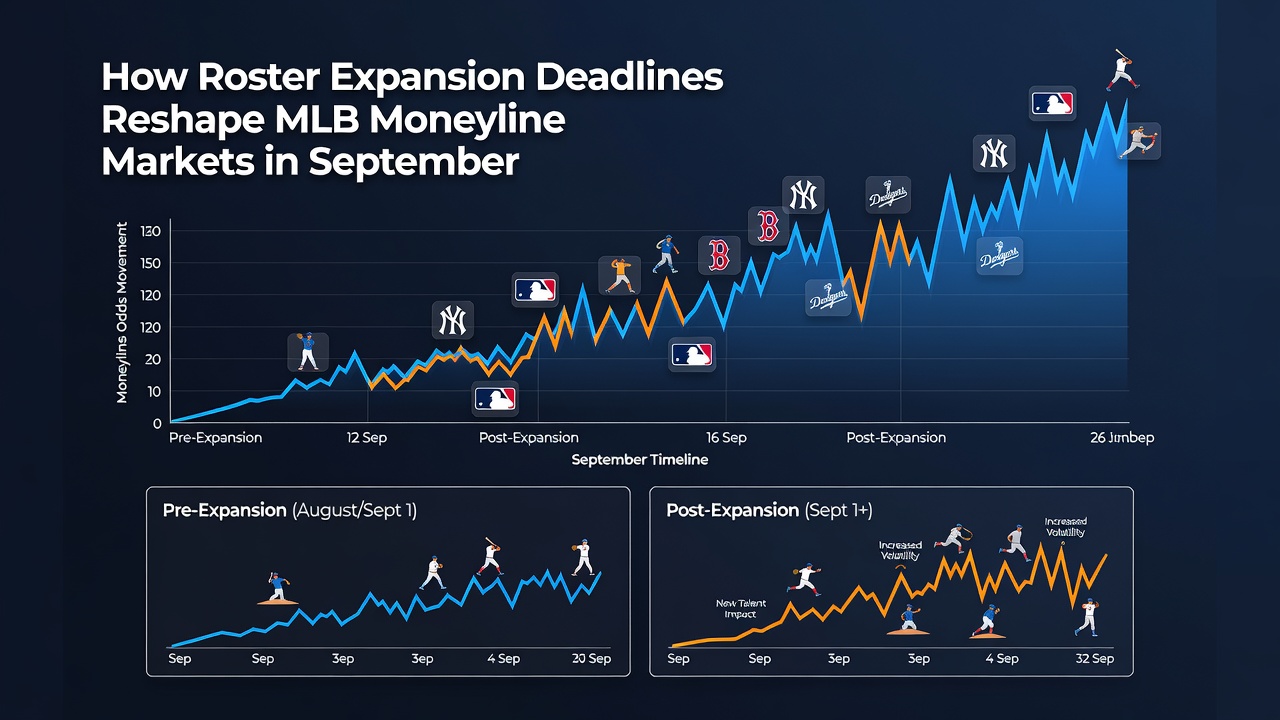
September Roster Expansions Alter MLB Moneyline Dynamics
MLB teams gain the ability to expand rosters from twenty-six active players to forty starting September first each season, and this annual shift produces measurable changes in game outcomes that sportsbooks incorporate into moneyline adjustments. The rule change adds depth to pitching staffs and bench options, which alters win probabilities for clubs that rely on fresh arms or platoon advantages in the final month. Observers note that moneylines often tighten for teams with strong minor-league systems while widening for clubs already out of contention that treat September as an evaluation period.
Roster Rules and Their Direct Effects on Lineups
September expansions allow managers to carry extra pitchers without losing position-player flexibility, and data from recent seasons shows an average increase of four to six additional arms per staff once the deadline passes. This added depth frequently improves late-inning performance because clubs can deploy specialized relievers more often rather than stretching starters or overusing high-leverage options. Those who track pitch counts report that expanded rosters correlate with lower bullpen workloads in September compared with August, which in turn influences run totals and game margins that feed into moneyline calculations.
Teams with deep farm systems gain the most immediate benefit because they can summon top prospects who contribute immediately at the plate or on the mound. In contrast, organizations with thinner minor-league talent pools often see smaller performance lifts because the new call-ups provide limited upside. Sportsbooks monitor these organizational differences closely when setting September moneylines, and historical betting records indicate that clubs ranked in the top half of prospect evaluations capture a higher share of moneyline value after the expansion date.
Market Adjustments and Historical Patterns
Betting markets respond to roster expansions within the first week of September as oddsmakers incorporate updated depth charts and recent call-up performances. Early September moneylines tend to favor teams that added high-velocity relievers or power bats, while clubs that promoted fringe players experience little line movement. Research published by the Society for American Baseball Research demonstrates that September win rates shift by an average of three to five percentage points for clubs with the strongest September call-up classes, and these shifts appear consistently across multiple seasons.

Sharp bettors who follow minor-league statistics often identify value before the broader market adjusts, particularly when a prospect's September debut coincides with favorable matchups against weaker opponents. The pattern repeats annually because the expansion window creates a temporary imbalance between teams that prepare for the influx and those that do not. Figures released by the American Gaming Association confirm that handle on MLB moneylines rises noticeably in September, reflecting increased bettor interest once expanded rosters begin influencing results.
Case Examples and Performance Data
Take the 2024 season where several National League clubs added left-handed relievers on September first and immediately posted improved hold percentages in close games, which translated into more frequent moneyline payouts for those sides. Similar outcomes appeared in prior years when expansion call-ups strengthened starting rotations for playoff contenders, allowing them to rest veterans without sacrificing competitiveness. Those patterns create identifiable edges for bettors who cross-reference call-up announcements with updated depth charts released by team front offices.
Teams already eliminated from postseason contention sometimes use expanded rosters to audition players for future seasons, which can produce erratic results that sportsbooks price into higher totals and adjusted moneylines. Data compiled by Canadian regulatory bodies tracking sports wagering shows that September games involving non-contenders exhibit greater variance in final margins, prompting oddsmakers to shade lines accordingly. The effect compounds when multiple clubs in the same division expand simultaneously, creating a cascade of revised odds across related matchups.
Looking Ahead to Future Seasons
Rule discussions scheduled for the 2026 collective bargaining period may alter expansion timing or roster limits, yet current structures remain in place through at least the 2025 campaign. Observers expect sportsbooks to continue refining algorithms that factor September call-up performance into real-time line movement. The integration of minor-league tracking data with major-league betting models has already accelerated since 2023, and further refinements appear likely as organizations publish more granular statistics on expanded-roster usage.
Conclusion
September roster expansions create recurring structural changes that reshape MLB moneyline markets through altered pitching depth, lineup flexibility, and organizational preparation levels. Sportsbooks adjust odds based on empirical patterns observed across multiple seasons, while bettors who monitor call-up announcements gain access to information that influences short-term pricing. The annual cycle repeats because the deadline introduces a predictable yet uneven distribution of talent that markets must price efficiently each year.