Rookie Revelations: How First-Year Players Reshape Week-One NFL Point Spreads
Erik Hughes · Jun 9, 2026
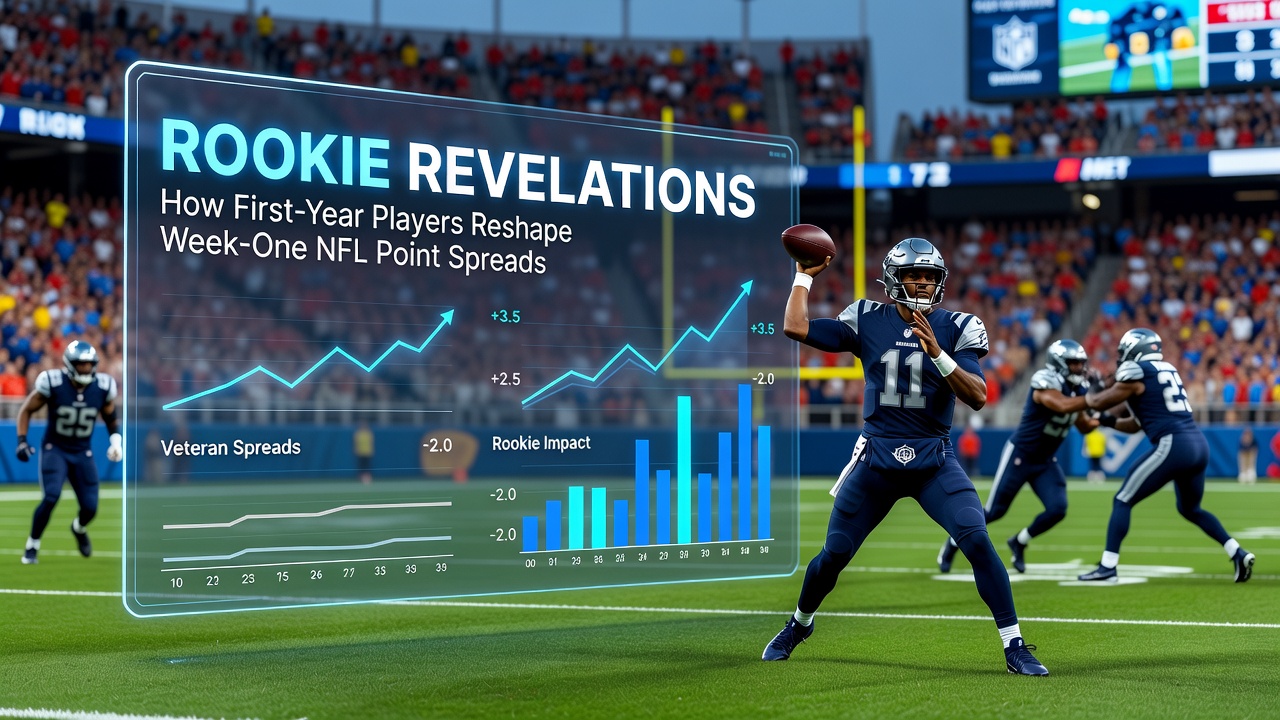
Rookie Revelations: How First-Year Players Reshape Week-One NFL Point Spreads
Week-one NFL point spreads often shift when teams introduce rookies into starting roles, and analysts track these adjustments through betting data compiled across multiple seasons. Rookies arrive with limited professional tape yet carry measurable traits from college performance and draft evaluations that sportsbooks incorporate into initial lines. Observers note that these early-season spreads reflect both projected usage and uncertainty around how quickly new players adapt to professional schemes.
Historical Patterns in Opening Week Adjustments
Data from recent NFL seasons shows point spreads moving by an average of 1.5 to 3 points when a rookie quarterback receives the starting nod in week one, while similar shifts occur less frequently for skill-position players. Researchers at academic institutions have examined these movements by comparing pre-draft projections against actual line movements released by major sportsbooks. The patterns indicate that teams drafting high first-round selections at quarterback experience wider spreads in their favor during the opener, particularly when facing opponents with established defensive fronts.
Teams that select offensive linemen early in the draft sometimes see modest tightening of spreads because those additions stabilize protection for veteran quarterbacks, and this effect appears in aggregated statistics from multiple seasons. Defensive rookies produce smaller but consistent influences on totals rather than spreads, according to figures compiled by industry tracking services. What's interesting is how these adjustments compound when multiple rookies occupy key positions on the same roster.
Quarterback Debuts and Line Movement
First-year quarterbacks starting in week one create the most pronounced spread volatility because their performance directly dictates offensive output. Historical records reveal that rookies selected in the top ten of the draft generate larger line shifts than later selections, and this holds across both home and road openers. Betting markets price in variables such as preseason snap counts and coaching staff experience with young signal callers, which produces measurable differences in the final posted numbers.
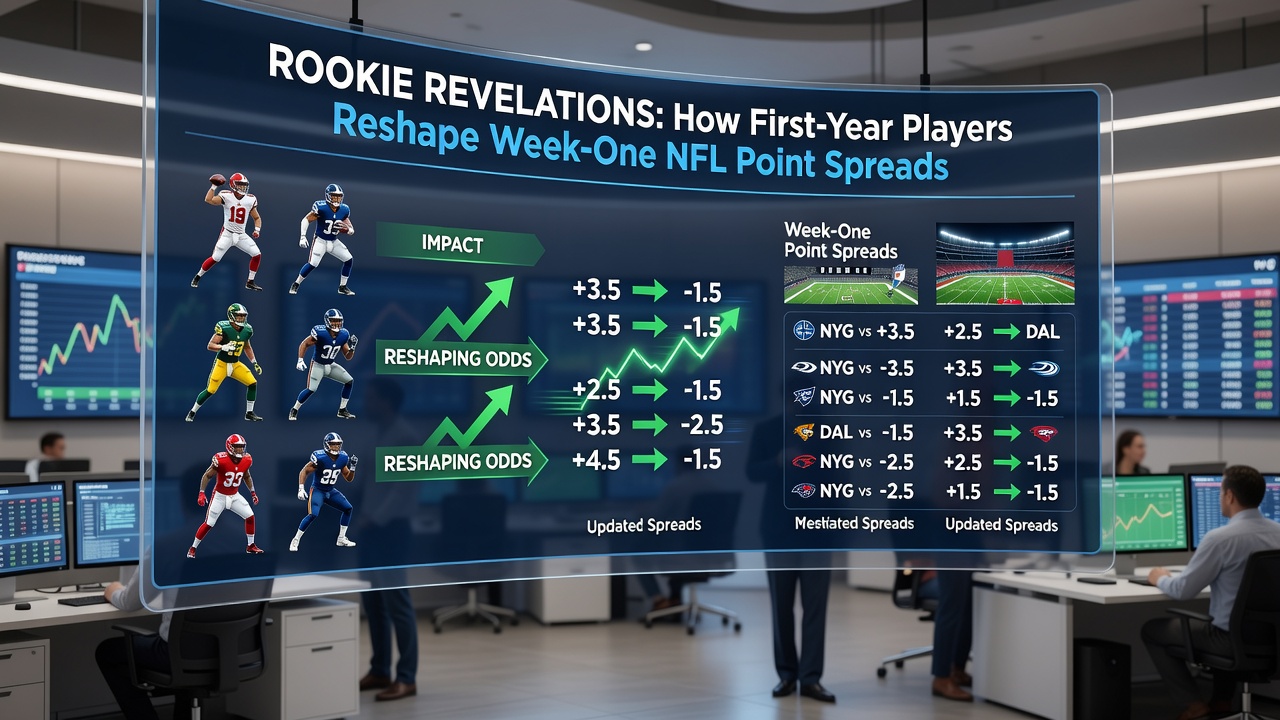
Coaches who accelerate rookie quarterbacks into starting roles often do so after evaluating camp performance metrics that include completion percentages under pressure and decision-making speed. These evaluations feed into spread calculations because sportsbooks adjust for the elevated risk associated with inexperience against professional defenses. Data indicates that spreads involving rookie quarterbacks have produced a higher frequency of overs in total points during opening weeks compared with games featuring veteran starters.
Position-Specific Effects Across Rosters
Running backs and wide receivers drafted in the first two rounds generate smaller spread movements, typically under one point, yet they influence over-under totals more noticeably when projected to handle significant workloads. Offensive linemen and defensive ends produce indirect effects through protection and pass-rush metrics that alter expected game scripts. Studies of league-wide performance indicators show that teams integrating multiple rookies on the offensive line experience fewer negative yardage plays in early weeks, which contributes to modest spread compression.
Special-teams contributors drafted late rarely move spreads but appear in totals calculations when return statistics project additional scoring opportunities. The cumulative effect of these position-specific influences becomes clearest when comparing week-one lines against midseason adjustments after several games of data accumulation.
Market Response and External Factors
Sportsbooks incorporate training-camp injury reports and depth-chart releases into their initial week-one spreads, and these updates frequently coincide with rookie contract announcements. According to reports from the Nevada Gaming Control Board, betting handle on opening-week games rises when high-profile rookies are involved, which prompts sharper line movements as public action concentrates on one side. International regulatory bodies such as the Australian Communications and Media Authority have documented similar patterns in offshore markets that mirror domestic adjustments.
Weather forecasts and travel distances also interact with rookie-related variables because younger players may show greater sensitivity to environmental conditions during their first professional road games. These combined inputs produce spreads that reflect both talent infusion and situational variables rather than roster continuity alone.
Conclusion
Week-one point spreads continue to evolve as teams integrate first-year players, and the documented shifts stem from measurable performance indicators rather than speculation. Historical data sets, performance metrics, and regulatory reports together illustrate how rookies reshape opening lines across multiple seasons. The patterns persist because betting markets respond to the same variables that coaching staffs evaluate during training camp.