Player Trades Ripple Through NHL Betting Markets During Key Trade Windows
Taylor Simon · Aug 25, 2026
Player Trades Ripple Through NHL Betting Markets During Key Trade Windows
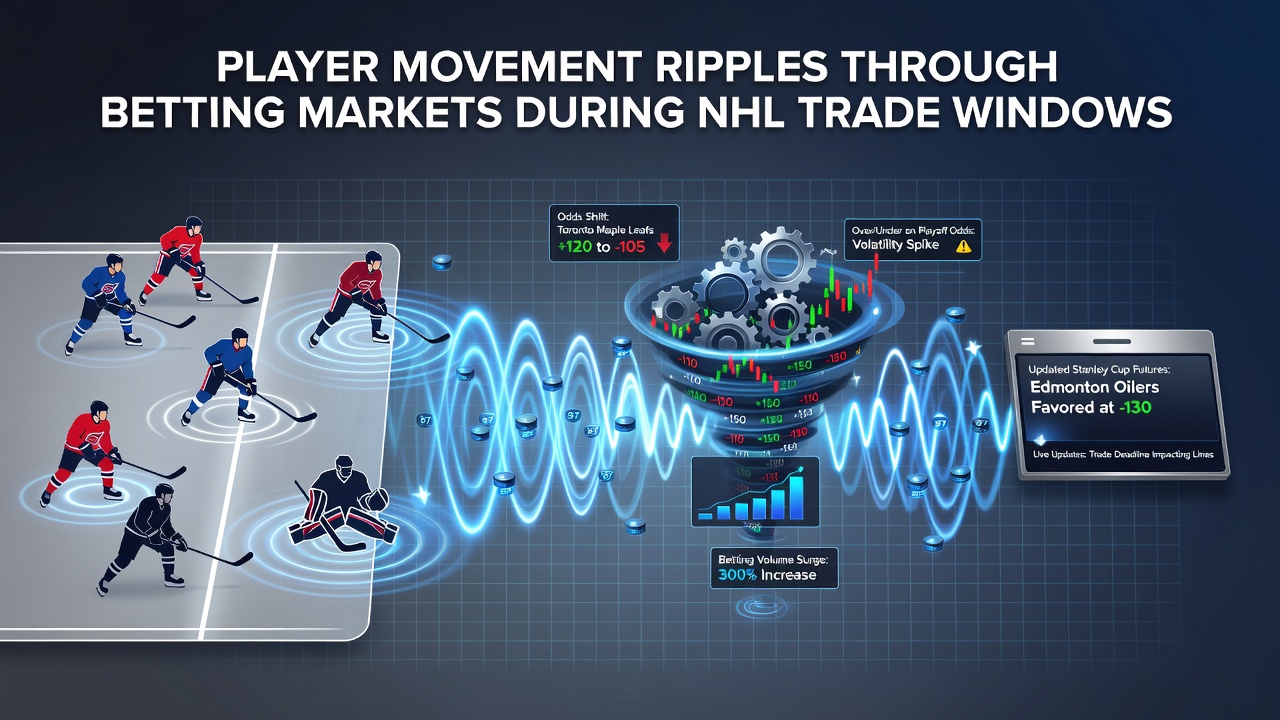
Trade windows in the NHL create measurable shifts in betting markets as teams adjust rosters and oddsmakers recalibrate lines across multiple wager types. Data from past deadlines shows increased betting volume on futures markets, player props, and team totals when star players change hands, while spreads and moneylines move in response to new lineup projections. Observers note that these adjustments often begin hours before official announcements once rumors gain traction in media reports.
Timing and Structure of NHL Trade Windows
The NHL sets specific periods when teams can complete trades without the restrictions that apply outside those windows, and the primary deadline falls in early March each season. This timing aligns with the final stretch of the regular season, which means roster changes directly influence playoff positioning and, by extension, futures odds for Stanley Cup contenders. Research from league records indicates that teams below the playoff line make the majority of deadline deals, sending established players to clubs seeking immediate depth. Those moves alter projected point totals for both the acquiring and departing franchises, prompting sportsbooks to adjust over/under lines and team win totals within minutes of confirmation.
Market Adjustments Following Major Transactions
Betting platforms track player movement through real-time data feeds that incorporate ice time, line combinations, and power-play usage. When a defenseman with strong offensive numbers relocates to a higher-scoring team, player prop markets for points and assists frequently shift upward by half a point or more. Conversely, the team losing that player often sees its total goals line drop as oddsmakers account for reduced production. Figures from historical trade periods reveal that moneyline markets for the next five to ten games after a deadline deal show average movement of 8 to 12 cents in either direction, depending on the perceived fit of the new player within existing lineups.
Impact on Futures and Playoff Markets
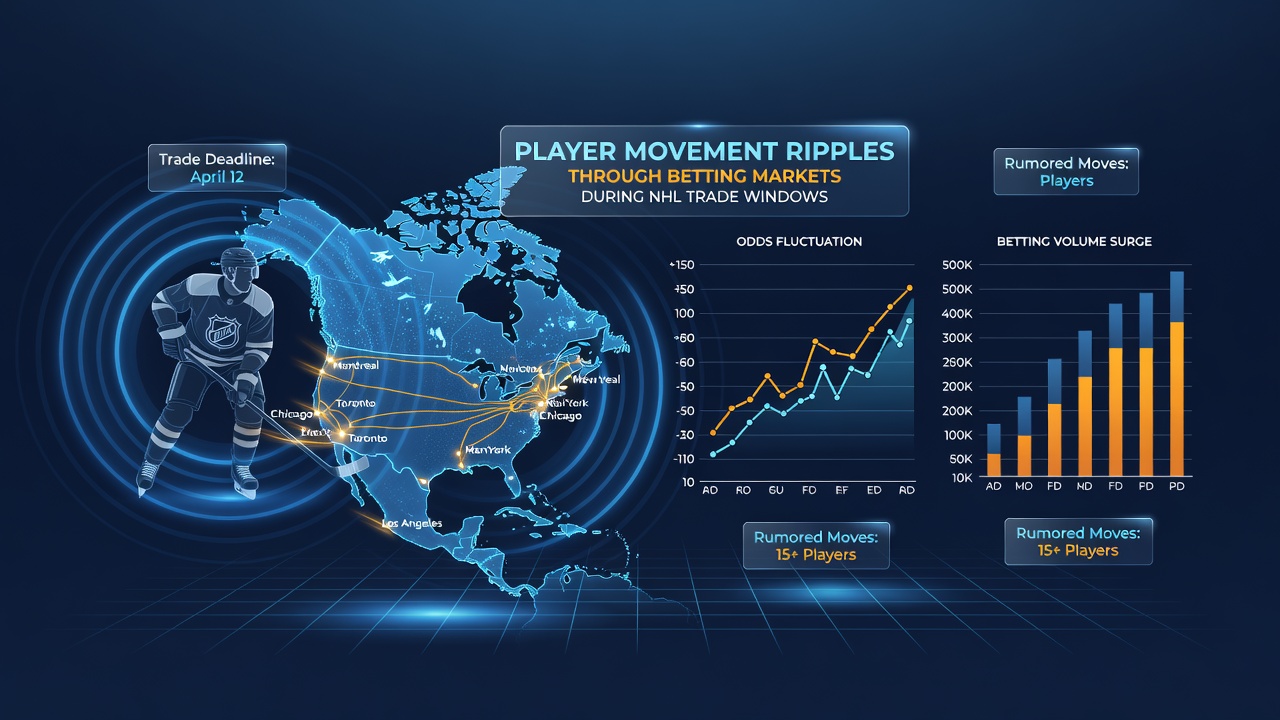
Stanley Cup futures see the largest swings when contenders acquire rental players who have performed well in previous postseasons. Data indicates that teams adding proven scorers experience an average odds improvement of 150 to 300 basis points in championship futures within 24 hours of the deal. At the same time, teams selling assets see their long-term odds lengthen, sometimes dramatically if multiple veterans depart. This pattern held during the 2025 deadline cycle, where several Eastern Conference clubs that traded for depth pieces saw futures tighten as bettors reacted to updated roster projections.
Playoff series prices also adjust when teams bolster special teams units through trades. Power-play efficiency metrics often improve after a skilled forward arrives, and sportsbooks respond by tightening series odds for the acquiring club. Those who follow these markets closely watch for line changes tied to power-play usage reports released in the days immediately after a trade closes.
Volume Spikes and Liquidity Changes
Betting volume rises sharply during the 48 hours surrounding the trade deadline because bettors seek to capitalize on perceived inefficiencies created by roster upheaval. Industry reports from North American gaming associations show that handle on NHL futures can increase by 40 percent or more compared with non-deadline weeks. Liquidity remains strong in major markets but thins in niche player props until updated statistics become available, which can create temporary pricing gaps that close once new performance data emerges. Canadian regulatory filings confirm similar volume patterns during the same windows, underscoring the cross-border nature of these market reactions.
Role of Analytics in Line Setting
Oddsmakers incorporate advanced metrics such as expected goals, corsi percentages, and zone-start data when recalibrating lines after trades. These models help quantify how a new player’s skill set fits within a team’s existing system, allowing faster and more precise adjustments than older methods that relied primarily on traditional box-score stats. Academic studies published by sports analytics groups have documented that lines incorporating these metrics move closer to closing prices faster than those based solely on past season averages. As teams prepare for the 2026-2027 campaign in August 2026, front offices continue to refine these models ahead of the next trade window.
Conclusion
Player movement during NHL trade windows produces documented, measurable effects on betting markets across futures, spreads, totals, and props. Data consistently shows rapid line adjustments, volume increases, and shifts in futures pricing that reflect updated roster realities. Observers tracking these patterns rely on statistical models and historical comparisons to anticipate how markets will respond when deals are finalized.