National Duties Disrupt Club Form: Analyzing Spread Movements in the Premier League After International Windows
Mia Wolf · Aug 20, 2026
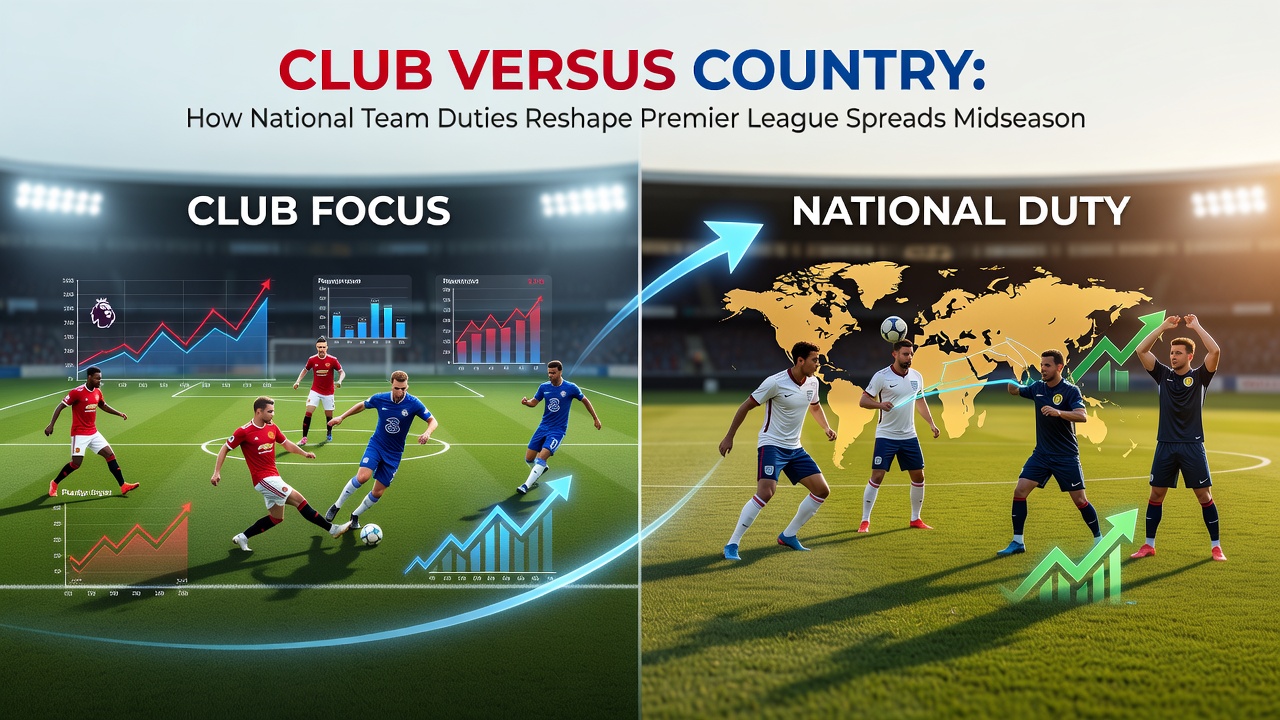
National Duties Disrupt Club Form: Analyzing Spread Movements in the Premier League After International Windows
International breaks create clear disruptions in the Premier League calendar, and data shows these pauses often lead to measurable shifts in handicap and spread markets during the weeks that follow. Clubs lose key players for extended periods while national team commitments take precedence, which alters squad availability, recovery timelines, and tactical preparation for domestic fixtures.
Premier League schedules incorporate multiple international windows each season, typically in September, October, November, March, and June. These breaks remove star performers for matches with their countries, and researchers tracking performance metrics have documented consistent patterns in post-break results. Teams with high numbers of international players frequently experience dips in form upon return, which influences how oddsmakers set spreads for upcoming games.
Player Workload and Recovery Patterns
Travel demands compound the issue because national team players often cross continents before rejoining their clubs, and studies from the Australian Institute of Sport highlight elevated fatigue markers in athletes who log extensive air miles during these periods. Recovery protocols vary by club, yet the compressed timeline between return and the next domestic match leaves limited room for full restoration. Evidence from performance databases indicates that teams with multiple players on international duty post higher rates of soft-tissue injuries in the first two matches after a break.
Bookmakers respond by adjusting spreads to reflect these realities. A side missing several starters might see its handicap line move by half a goal or more, while totals markets also shift because overall scoring rates tend to fluctuate when lineups change. Data compiled across multiple seasons shows that matches involving squads with heavy international representation produce different goal distributions compared to uninterrupted schedules.
Documented Effects on Team Results
One analysis of Premier League results from 2018 through 2025 revealed that clubs sending five or more players to national teams recorded a lower points-per-game average in the immediate follow-up fixtures. This trend appears across both title contenders and mid-table sides, though the magnitude differs based on squad depth. Observers note that depth charts become critical during these windows, because managers must rotate players who stayed behind while integrating returning internationals who may lack match sharpness.
Spread markets capture these adjustments quickly. Lines for teams like Manchester City or Liverpool often tighten when key contributors such as defenders or midfielders miss club training, whereas sides with fewer call-ups sometimes see their lines lengthen as opponents prepare for fresher lineups. August 2026 schedules already indicate an early international window that overlaps with the opening month of the domestic campaign, which could amplify these effects for clubs balancing early-season fixtures with national team obligations.
Market Adjustments and Betting Implications
Oddsmakers incorporate historical performance data when setting lines after breaks, and industry reports from Canadian gaming regulators confirm that sharp bettors frequently target sides with heavy international representation. These wagers often focus on spreads rather than moneyline outcomes because the handicap format accounts for expected variance in team output. Figures from performance tracking services reveal that underdog spreads widen by an average of 0.3 goals in matches following major international tournaments.
Coaches adapt training regimens to accelerate reintegration, yet the physical and mental demands of switching between national and club environments remain constant. Academic research published through European sports science networks demonstrates measurable declines in sprint metrics and decision-making speed among players who participate in multiple high-intensity international matches before returning to league play.
Conclusion
National team duties continue to reshape Premier League spread markets each season because they alter player availability, recovery status, and tactical cohesion in predictable ways. Statistical records, workload studies, and line movement histories all point to consistent patterns that oddsmakers and analysts monitor closely when preparing midseason projections.