International Breaks and Their Influence on Club Statistics Across Domestic Leagues
Mia Wolf · Jun 4, 2026
International Breaks and Their Influence on Club Statistics Across Domestic Leagues
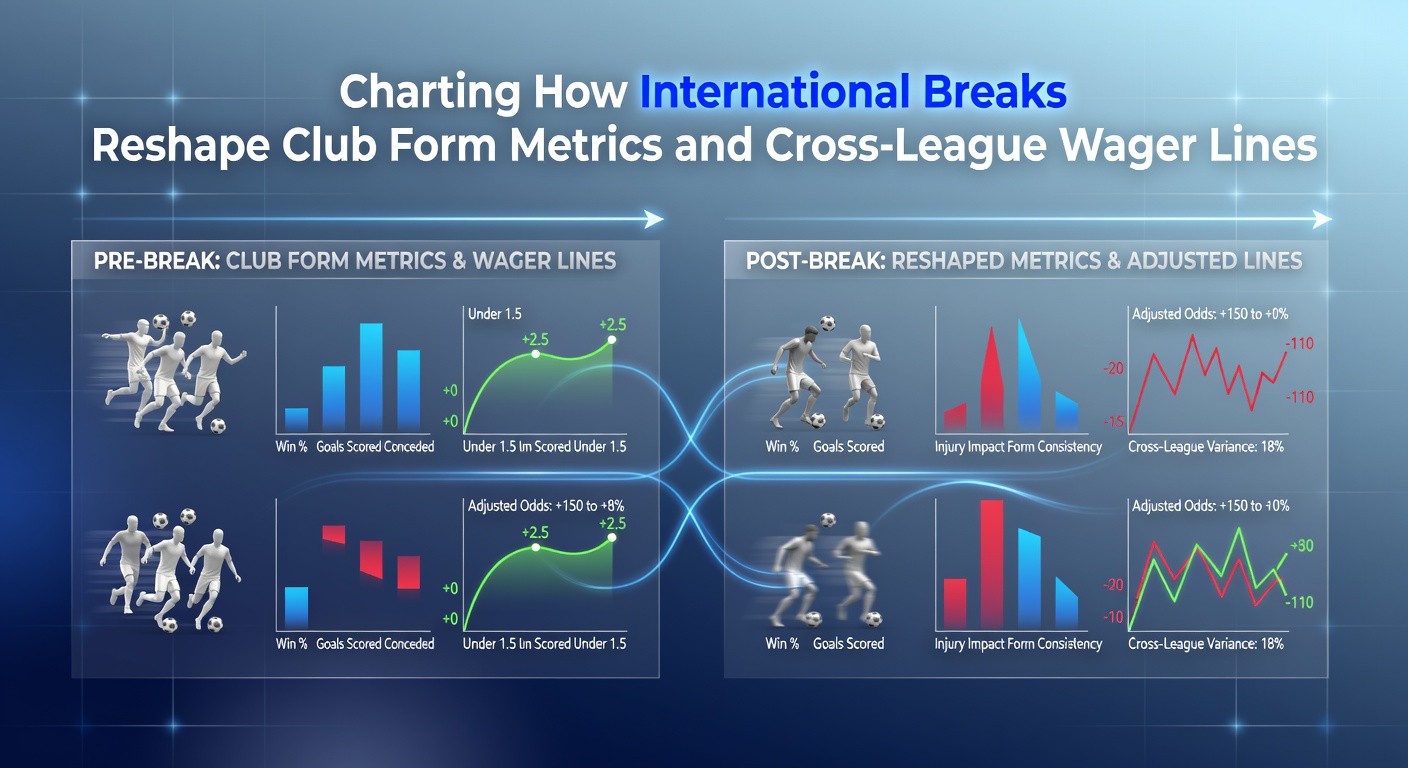
International breaks disrupt regular club schedules in ways that show up clearly in performance data from major European leagues. National team windows pull key players away from their clubs for matches that can span up to two weeks, and the return to domestic competition often brings measurable changes in metrics like goals scored, shots on target, and expected goal differentials. Analysts track these shifts through aggregated statistics that cover multiple seasons, revealing patterns that betting markets incorporate when setting lines for upcoming fixtures.
Performance Data Patterns During Break Periods
Clubs releasing multiple starters to national squads experience dips in certain indicators upon resumption of league play, while teams with fewer call-ups sometimes maintain steadier outputs. Data collected by league monitoring services shows that average possession retention drops by several percentage points in the first match back for many sides, and pass completion rates in midfield zones follow similar trends. These adjustments appear consistently across the Premier League, Bundesliga, and Serie A, though the magnitude varies based on travel distances involved in international duty and the intensity of those matches.
Researchers examining fixture lists from 2018 through 2025 note that recovery timelines play a central role, since players returning from long-haul flights often log fewer high-intensity minutes in club training before their next domestic outing. This leads to observable differences in pressing efficiency and defensive organization that feed directly into adjusted totals markets for goal scoring and corner counts.
Adjustments in Cross-League Betting Markets
Betting operators respond to these form shifts by recalibrating lines for matches involving affected clubs, and the changes extend beyond single leagues into cross-border wager offerings. Lines for over/under goals in Premier League games following a break often move based on data from parallel leagues where similar patterns have emerged, creating interconnected pricing across different competitions. Historical records indicate that unders hit at slightly higher rates in the immediate post-break window for clubs with heavy international representation, while overs appear more frequently when squads return with minimal disruptions.
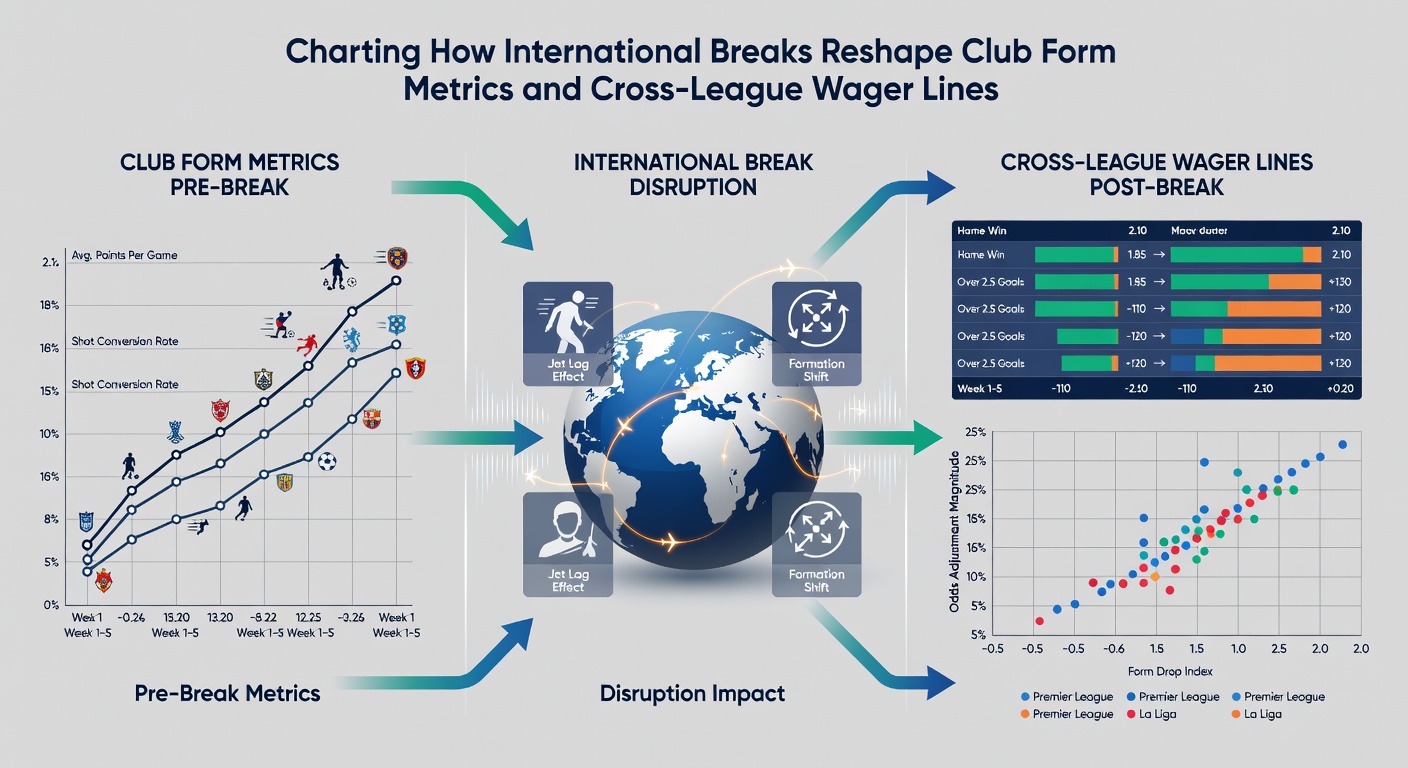
Market makers draw on datasets that combine club-level statistics with national team participation logs to refine their models, and this process incorporates information from governing bodies such as UEFA and FIFA. The approach allows for more precise movement in spread markets when teams from different countries converge in the same domestic league, since the ripple effects of one nation's schedule can influence another. In June 2026, with preparations underway for the expanded World Cup tournament, early summer breaks introduce additional variables that operators monitor closely when posting early lines for the following season.
Regional Variations in Metric Shifts
Leagues in different geographic zones display distinct responses tied to travel demands and squad depth. Bundesliga sides often rebound faster in certain attacking metrics compared to their counterparts in the Spanish La Liga, where fixture density can compound fatigue factors. Australian regulatory bodies overseeing sports integrity have documented similar cross-competition effects in their own analyses of A-League scheduling around international windows, highlighting how data from one region informs expectations in others. Observers note that these variations create opportunities for lines to move differently depending on whether a match features two break-affected teams or just one.
Case studies from recent seasons illustrate the point clearly. One club in the English Championship saw its expected goals per 90 minutes fall from 1.4 to 0.9 across three post-break fixtures, prompting downward adjustments in totals lines for subsequent games. Meanwhile, a parallel Serie A side maintained consistent shot volume but converted fewer chances, which betting platforms reflected through subtle shifts in player prop markets that carried over into multi-league parlay offerings.
Tracking Tools and Data Integration
Modern tracking systems now integrate GPS data from national team camps with club training logs, allowing for granular views of workload management during breaks. These tools feed into broader performance dashboards used by analysts across multiple leagues, and the resulting metrics help explain why certain form trends persist or reverse over time. Academic research from institutions in Germany has explored these connections through longitudinal studies that link international exposure to changes in injury rates and recovery markers upon club return.
Betting volumes on futures markets also reflect awareness of these patterns, with early odds for season-long totals incorporating historical break impacts as a standard variable. The interconnected nature of global soccer means that a single window can influence pricing structures from the Netherlands to Portugal simultaneously, and operators adjust accordingly based on participation numbers released by confederations.
Conclusion
International breaks continue to serve as key inflection points in club performance tracking, with data showing consistent yet variable effects on form metrics that betting markets translate into line movements across leagues. As scheduling evolves around major tournaments like the 2026 World Cup, these relationships will likely remain central to how operators and analysts interpret upcoming fixtures. The patterns documented through statistical aggregation provide a factual basis for understanding these dynamics without reliance on speculation.